Archives
- 2025-12
- 2025-11
- 2025-10
- 2025-09
- 2025-03
- 2025-02
- 2025-01
- 2024-12
- 2024-11
- 2024-10
- 2024-09
- 2024-08
- 2024-07
- 2024-06
- 2024-05
- 2024-04
- 2024-03
- 2024-02
- 2024-01
- 2023-12
- 2023-11
- 2023-10
- 2023-09
- 2023-08
- 2023-06
- 2023-05
- 2023-04
- 2023-03
- 2023-02
- 2023-01
- 2022-12
- 2022-11
- 2022-10
- 2022-09
- 2022-08
- 2022-07
- 2022-06
- 2022-05
- 2022-04
- 2022-03
- 2022-02
- 2022-01
- 2021-12
- 2021-11
- 2021-10
- 2021-09
- 2021-08
- 2021-07
- 2021-06
- 2021-05
- 2021-04
- 2021-03
- 2021-02
- 2021-01
- 2020-12
- 2020-11
- 2020-10
- 2020-09
- 2020-08
- 2020-07
- 2020-06
- 2020-05
- 2020-04
- 2020-03
- 2020-02
- 2020-01
- 2019-12
- 2019-11
- 2019-10
- 2019-09
- 2019-08
- 2019-07
- 2019-06
- 2019-05
- 2019-04
- 2018-11
- 2018-10
- 2018-07
-
Cell swelling stimulates the release
2020-03-20
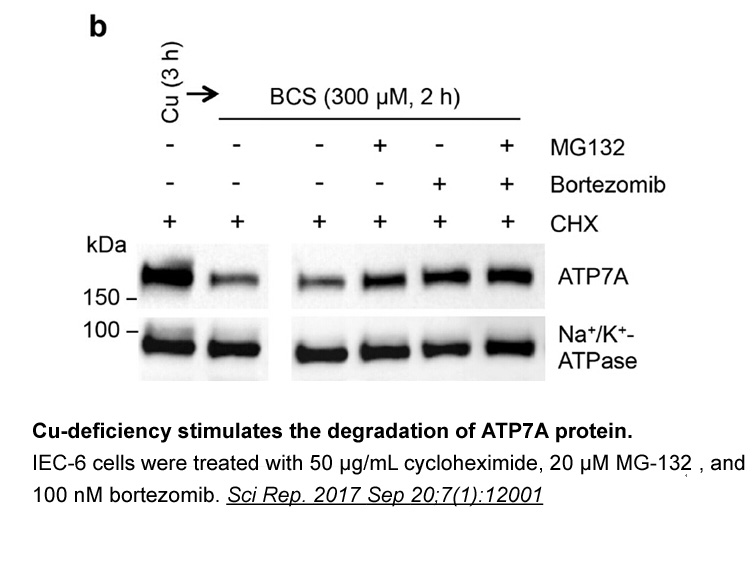
Cell swelling stimulates the release of certain amino acids, in particular the non-protein amino H-Lys(Ac)-OH.HCl taurine, via a pathway which has the characteristics of a channel rather than a carrier [54], [69]. Indeed, on the basis of pharmacological inhibition, it was suggested that volume-act
-
The relatively low overall response rates suggest the need
2020-03-20
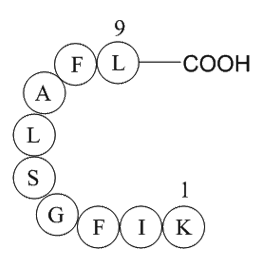
The relatively low overall response rates suggest the need for better predictive markers for response. The patient demographics in the SARC trial did not reflect typical Ewing sarcoma demographics as the patients tended to be older and had primarily soft tissue tumors. In addition, although accrual
-
br Conflicts of interest br Author contributions
2020-03-20
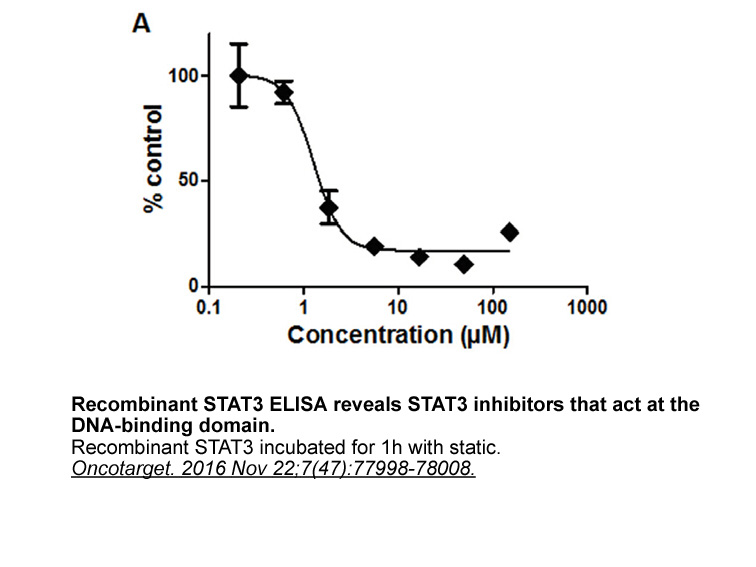
Conflicts of interest Author contributions Acknowledgements This work was supported by the University of Brescia (ex 60%) and Siderurgica Leonessa research funds to AF. RR was supported by Associazione Italiana per la Ricerca sul Cancro - AIRC (MFAG 18459 grant). We are grateful to Umberto
-
The ubiquitin proteasome system Ub P
2020-03-19

The ubiquitin–proteasome system (Ub–P) is the main cellular machinery for protein turnover in eukaryotic cells (Glickman and Ciechanover, 2002). Degradation by Ub–P involves two steps. Target proteins are selectively, specifically, and covalently attached to ubiquitin (Ub) chains, followed by Ub-tag
-
Proteases as multifunctional enzymes play key roles in
2020-03-18
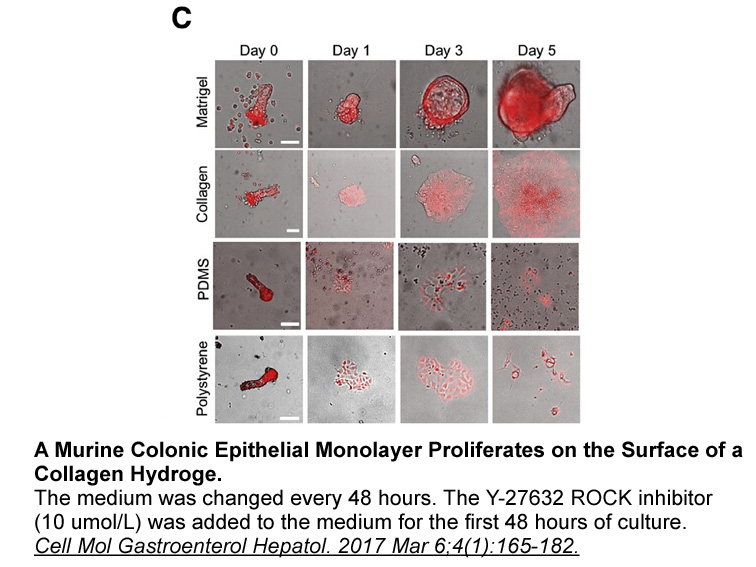
Proteases, as multifunctional enzymes, play key roles in controlling a wide variety of cellular and extracellular processes in plants and animals, including protein degradation and processing, germination, complement activation, inflammation, responses to environmental stimuli, senescence and so on.
-
Itraconazole CXCL mediated cell migration is facilitated by
2020-03-18
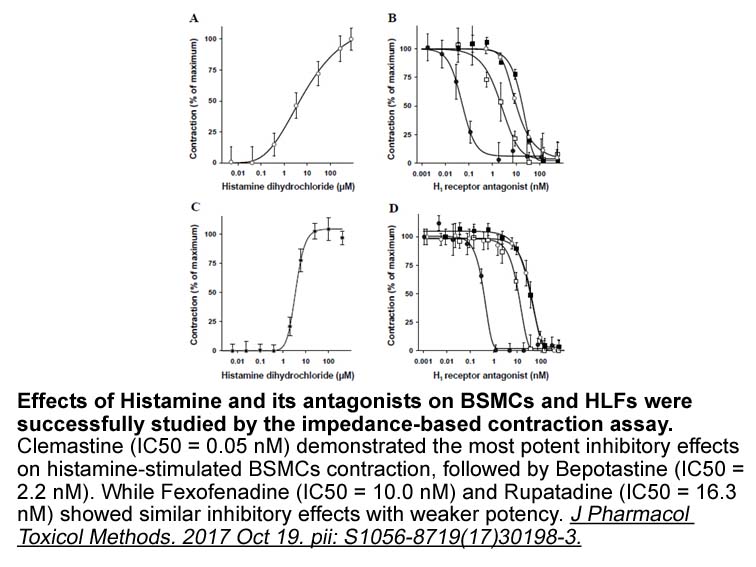
CXCL16 mediated cell migration is facilitated by the interaction of soluble CXCL16 with CXCR6, expressed predominantly on the cell surface of CD4+ Th1 cells, cancer infiltrating lymphocytes and platelets (Borst et al., 2012, Kim et al., 2001, Liao et al., 1997, Wilbanks et al., 2001). CXCR6 is invol
-
Unlike CRM exportins Cse and Xpot lack a
2020-03-18
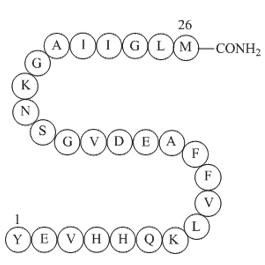
Unlike CRM1, exportins Cse1 and Xpot lack a C-extension and instead rely primarily on changes in HEAT-repeat conformation and direct Ran-cargo contacts to ensure low cargo-binding affinity in the cytosol and cooperative assembly of the exportin/Ran/cargo complex in the nucleus (Cook et al., 2005, Co
-
br Materials and methods br Results br
2020-03-18
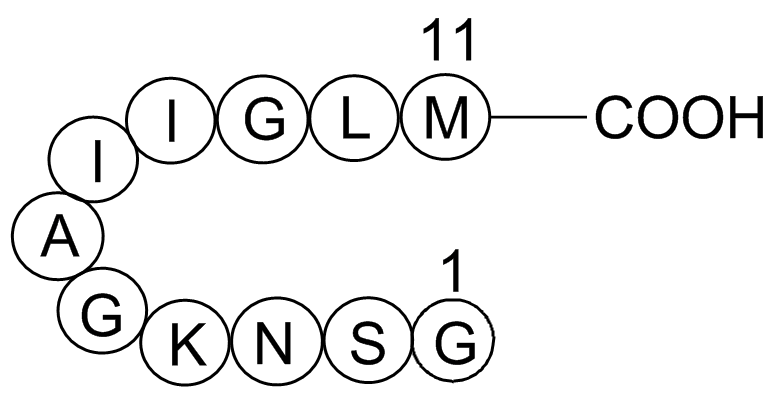
Materials and methods Results Discussion One novel finding in our study is that CK2 inhibition preserved axon function and structure in WM against ischemia. Consistent with these findings, oligodendrocytes, astrocytes, myelin, and etravirine were found to express CK2α. The robust expressio
-
br Progestogens and venous thromboembolism clinical data br
2020-03-18
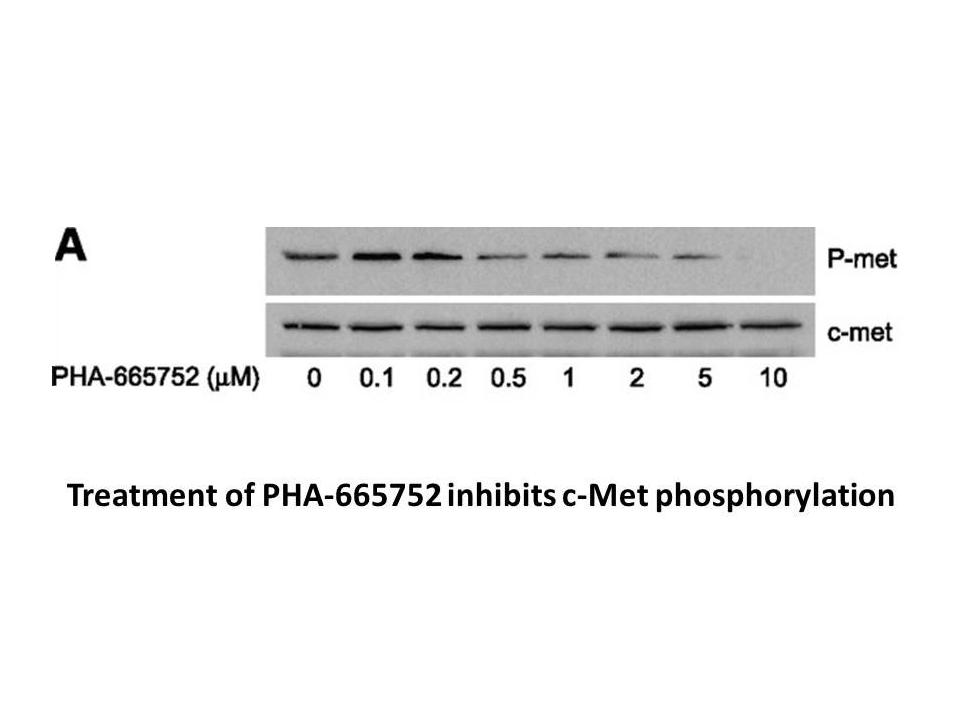
Progestogens and venous thromboembolism: clinical data Progestogens and haemostatis: biological studies For many years, the effect of HT on haemostatis has been largely investigated in observational studies as well as in high evidence level studies among users of oral and transdermal estrogens
-
br Disclosure statement br Acknowledgements This research wa
2020-03-18
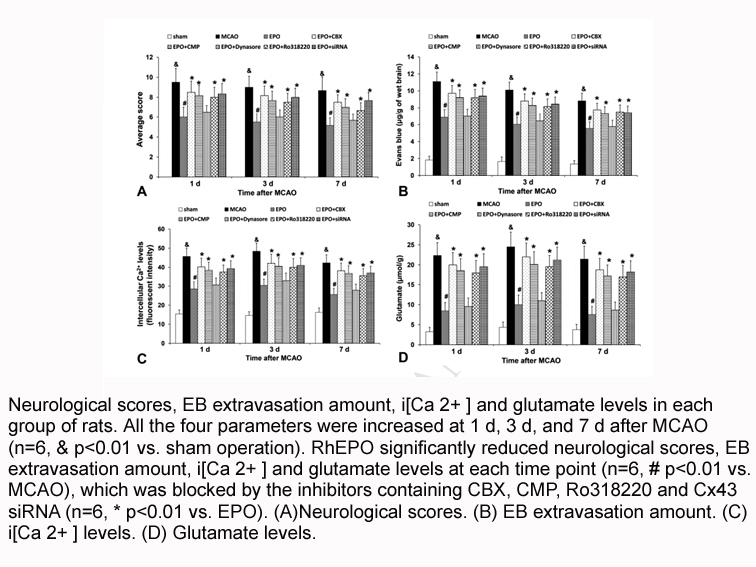
Disclosure statement Acknowledgements This research was supported by grants from the National Institutes of Health, NS046400 and AG022971 (SD), and a fellowship from the Korea Research Foundation, KRF-2007-357-E00016 (YTK). The authors thank Dr. Barbara Crain for assistance with the immunologi
-
In the present study we
2020-03-18
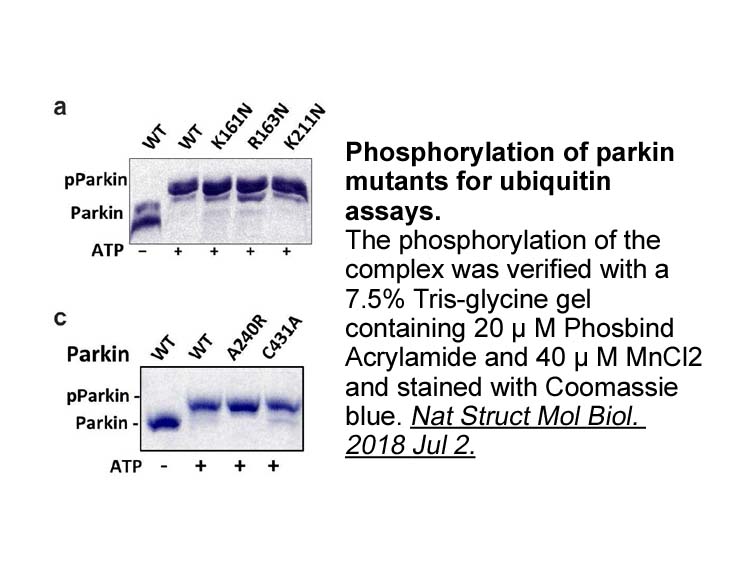
In the present study, we found that the up-regulatory effects of androgens on ep1 transcripts might be mediated by Arα in the olfactory rosette of B. sinensis. However, in mammals, there is no evidence of AR expression in either the vomeronasal organ or the sensory epithelium of main olfactory epith
-
Another enzyme class that has emerged as a
2020-03-18
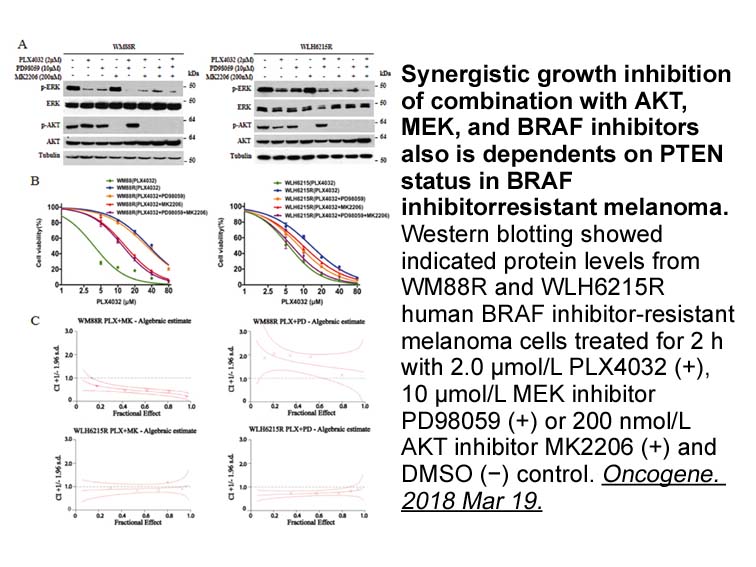
Another enzyme class that has emerged as a potential alternative to P450s are the so-called ‘unspecific peroxygenases’ (UPOs). They also contain a heme but are extracellularly expressed fungal enzymes that are often more stable than P450 monooxygenases. Importantly, UPOs use H2O2 instead of O2 as th
-
Mouse iPSC Chemical Reprogramming Cocktails Kit Many studies
2020-03-18
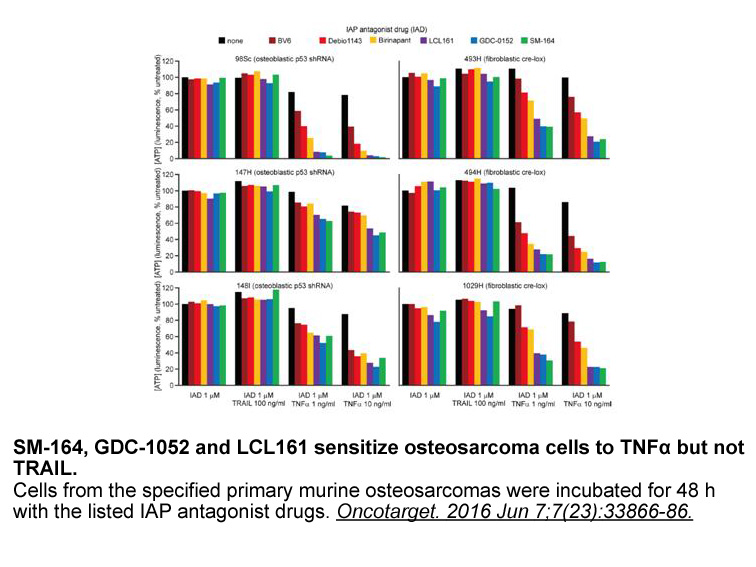
Many studies have documented that enolase acts as a plasminogen-binding protein and this interaction is involved in the tissue invasion and pathogenicity of the causative agents (Almeida et al., 2004; Avilan et al., 2000; Marcilla et al., 2007; Mundodi et al., 2008; Vanegas et al., 2007). Furthermor
-
The UPP broadly involves proteolysis in biochemical
2020-03-18
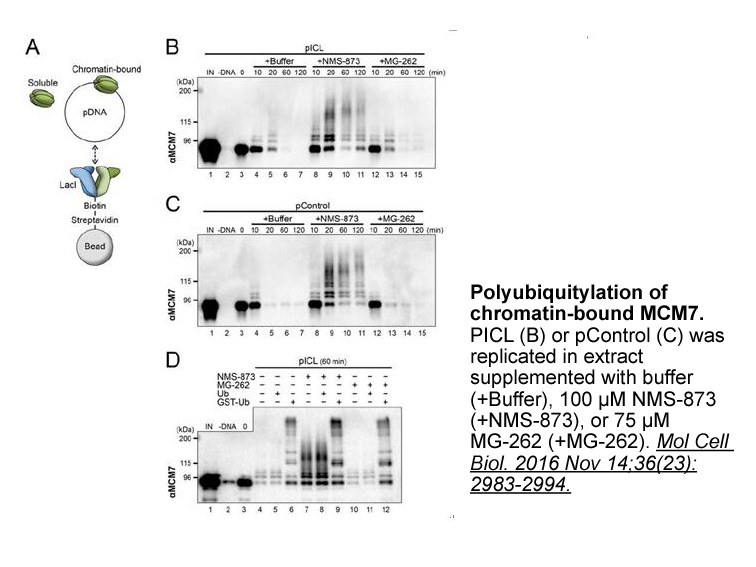
The UPP broadly involves proteolysis in biochemical processes and is a potential target for cancer therapy. The UPP degrades unfolding or damaged proteins by an ATP-dependent mechanism (Ciechanover, Elias, Heller, Ferber, & Hershko, 1980). It also plays an important role in Curcumol sale regulation,
-
Three DDR binding sites have been mapped on the collagen
2020-03-18
Three DDR2 binding sites have been mapped on the collagen triple helix by us for collagen type 1 and by others using the collagen toolkit for collagen type 2. All of the three reported binding sequences are conserved in the α1 chain of collagen types 1, 2 and 3. The central motif sequence GARGQAGVMG
15840 records 849/1056 page Previous Next First page 上5页 846847848849850 下5页 Last page