Archives
- 2026-06
- 2026-05
- 2026-04
- 2026-03
- 2026-02
- 2026-01
- 2025-12
- 2025-11
- 2025-10
- 2025-09
- 2025-03
- 2025-02
- 2025-01
- 2024-12
- 2024-11
- 2024-10
- 2024-09
- 2024-08
- 2024-07
- 2024-06
- 2024-05
- 2024-04
- 2024-03
- 2024-02
- 2024-01
- 2023-12
- 2023-11
- 2023-10
- 2023-09
- 2023-08
- 2023-06
- 2023-05
- 2023-04
- 2023-03
- 2023-02
- 2023-01
- 2022-12
- 2022-11
- 2022-10
- 2022-09
- 2022-08
- 2022-07
- 2022-06
- 2022-05
- 2022-04
- 2022-03
- 2022-02
- 2022-01
- 2021-12
- 2021-11
- 2021-10
- 2021-09
- 2021-08
- 2021-07
- 2021-06
- 2021-05
- 2021-04
- 2021-03
- 2021-02
- 2021-01
- 2020-12
- 2020-11
- 2020-10
- 2020-09
- 2020-08
- 2020-07
- 2020-06
- 2020-05
- 2020-04
- 2020-03
- 2020-02
- 2020-01
- 2019-12
- 2019-11
- 2019-10
- 2019-09
- 2019-08
- 2019-07
- 2019-06
- 2019-05
- 2019-04
- 2018-11
- 2018-10
- 2018-07
-
Octreotide acetate Whether histamine receptor distribution i
2021-09-03
Whether histamine receptor distribution is altered in canine GI diseases remains unknown, but human research has documented altered histamine receptor density in certain GI diseases (Sander et al., 2006, Deiteren et al., 2015, Von Rahden et al., 2011). Additionally, a novel H4 receptor antagonist, J
-
One limitation of our study was that all control
2021-09-03
One limitation of our study was that all control dogs had histologic evidence of mild GI inflammation according to established WSAVA guidelines (Washabau et al., 2010), despite being apparently healthy purpose-bred research dogs housed in a controlled environment with no history of vomiting, diarrhe
-
br Retrieval requires histamine H receptors in
2021-09-03
Retrieval requires histamine H1 receptors in dorsal hippocampus Retrieval is a dynamic process that requires neurotransmitter regulation (Barros et al., 2000, Barros et al., 2001). Recently, histamine, and histaminergic transmission has entered the list of putative neurotransmitter modulators of
-
ll 37 br Conflict of interest statement
2021-09-03
Conflict of interest statement Introduction The Hedgehog (Hh) family of secreted protein signals patterns many tissues and structures during embryogenesis (Chiang et al., 1996, Dessaud et al., 2008, Ingham, 1993) and, post-embryonically, governs tissue homeostasis and regeneration by regulatin
-
STAR Methods br Acknowledgments We thank C Hong
2021-09-03
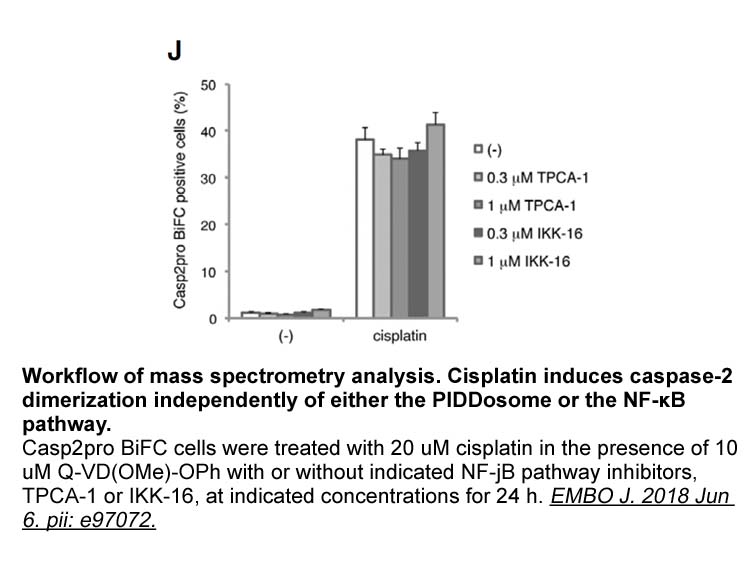
STAR★Methods Acknowledgments We thank C. Hong, R. Huang, and Z. Yu at the HHMI Janelia cryo-EM facility for help with microscope operation and data collection. We thank A. Müller, W. Kan, and W. Weis for help with the SEC-MALS analysis and M. Elazar and J. Glenn for the use of equipment. P. Love
-
It has been reported that expression of
2021-09-03
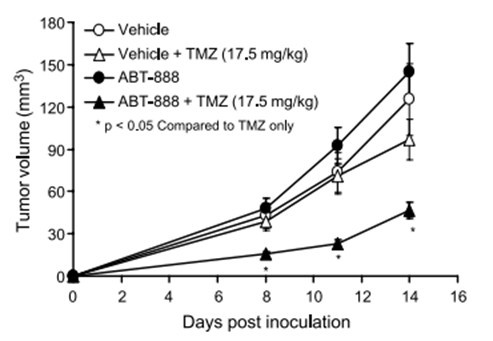
It has been reported that expression of murine haspin is found only in post-meiotic spermatids and that overexpression of murine haspin in HEK-293 cells leads to reduced cell proliferation. Therefore, it was suggested that haspin functions to bring about SC 79 arrest in haploid germ cells (Tanaka et
-
In our previous studies examining erectile responses in sGC
2021-09-03
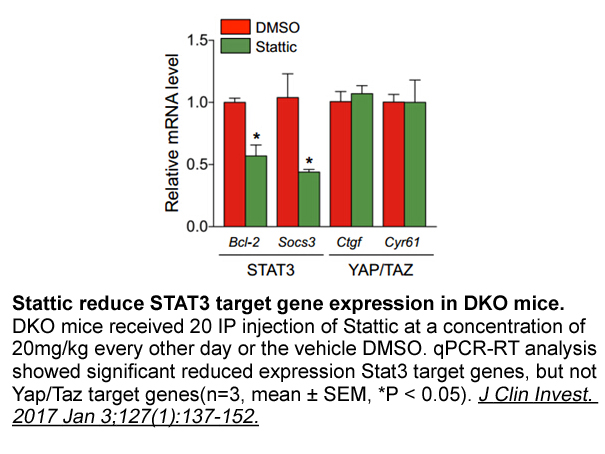
In our previous studies examining erectile responses in sGCα1−/− mice, we found that the sGCα1 subunit was required to obtain proper erectile responses to substances generally known to exert their actions by sGC.17, 18 Based on our previous observation of residual relaxing responsiveness to exogenou
-
The recently de orphaned G protein coupled receptor GPCR
2021-09-02
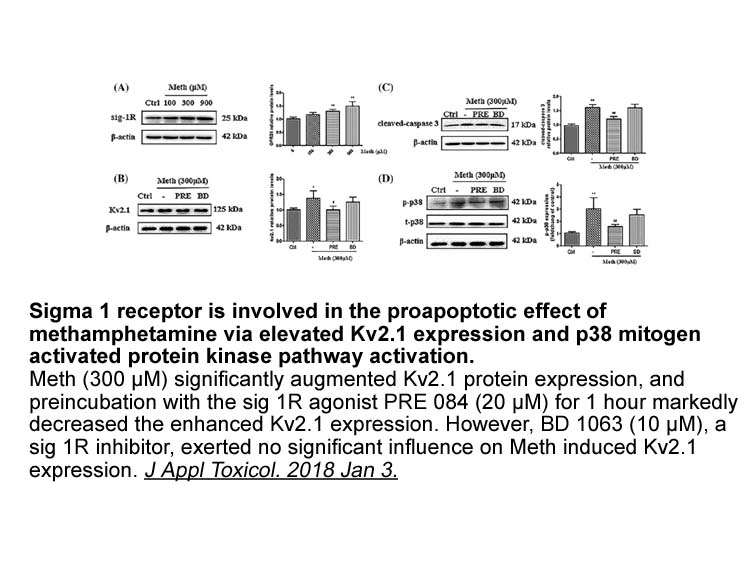
The recently de-orphaned G-protein coupled receptor (GPCR), GPR55, is activated endogenously by L-α-lysophosphatidylinositol (LPI), a lipid signaling molecule, as well as N-arachidonoyl glycine (NAGly) and numerous endo, phyto, and synthetic cannabinoids (Oka et al., 2007, Henstridge et al., 2010, H
-
Acknowledgments We would like to thank
2021-09-02
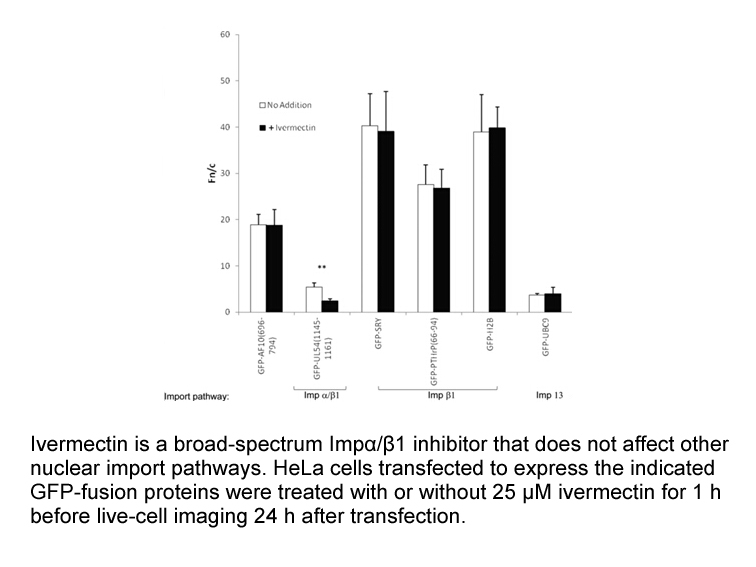
Acknowledgments We would like to thank Dr. Greg Morriello, Mr. Lehua Chang, Mr. Chris Moyes and Mr. Nam Fung Kar for intermediate 3 syntheses. Cheng Zhu would like to thank Dr. Milana Maletic, Mr. Kake Zhao and Mrs. Wanying Sun for helpful discussions. Introduction Glucagon-like peptide-1 (GLP-
-
Glucose uptake a critical metabolic control point in glycoly
2021-09-02
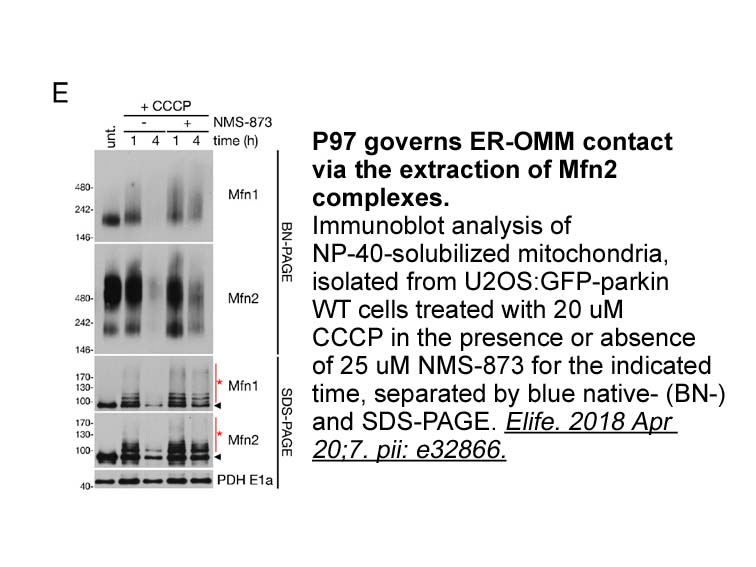
Glucose uptake, a critical metabolic control point in glycolysis, is mediated by the GLUT (SLC2) family of integral membrane transporters (Mueckler and Thorens, 2013). GLUT1 (SLC2A1), one of the most well-studied members of the SLC2 family, exhibits a wide tissue distribution; cell surface expressio
-
In conclusion we have shown that AKR D regulates glucocortic
2021-09-02
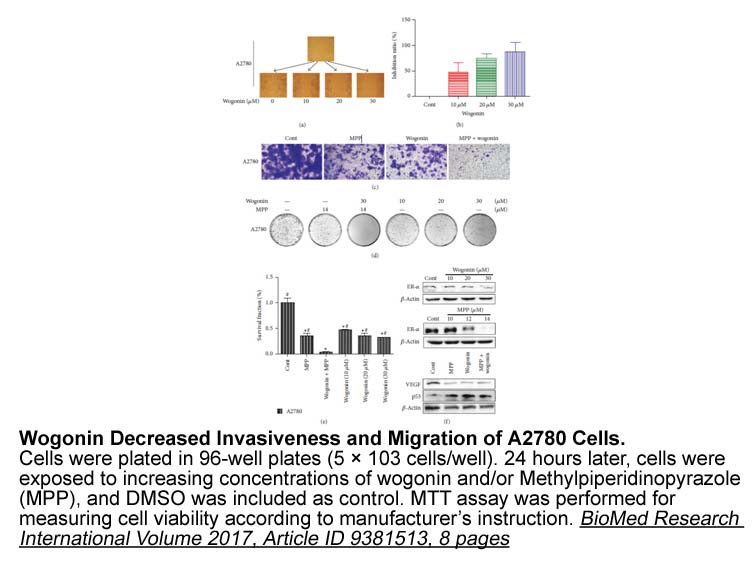
In conclusion, we have shown that AKR1D1 regulates glucocorticoid availability and GR activation and therefore represents a key pre-receptor regulator of hormonal action in human liver. However, there are additional questions that need to be addressed including dissecting the broader role of AKR1D1
-
Analysis of genomic neighborhoods has
2021-09-02

Analysis of genomic neighborhoods has helped resolve questions concerning the orthology of receptors for peptides similar to glucagon (Ng et al., 2010, Irwin and Prentice, 2011, Wang et al., 2012, Hwang et al., 2013). Using a diverse array of species with available genome sequence (see Fig. 4) the g
-
Recently the classical view of
2021-09-02
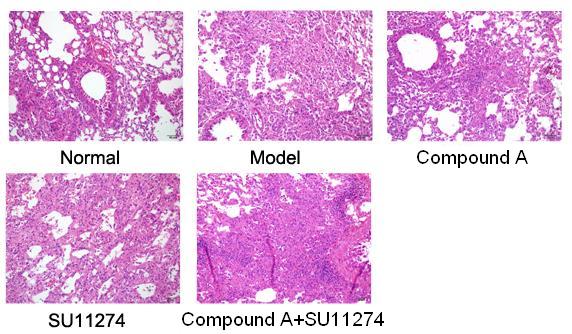
Recently, the classical view of the compartmentalization of the plant isoprenoid metabolism has been re-evaluated, following the demonstration of the partial peroxisomal localization of the mevalonic K-7174 australia (MVA) pathway, generally regarded as cytosolic. Using GFP-tagging approaches, the
-
Recently the classical view of
2021-09-02
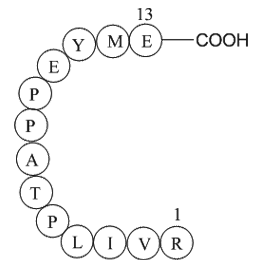
Recently, the classical view of the compartmentalization of the plant isoprenoid metabolism has been re-evaluated, following the demonstration of the partial peroxisomal localization of the mevalonic eht library sale (MVA) pathway, generally regarded as cytosolic. Using GFP-tagging approaches, the
-
The ability to metastasize is the defining character of a
2021-09-02
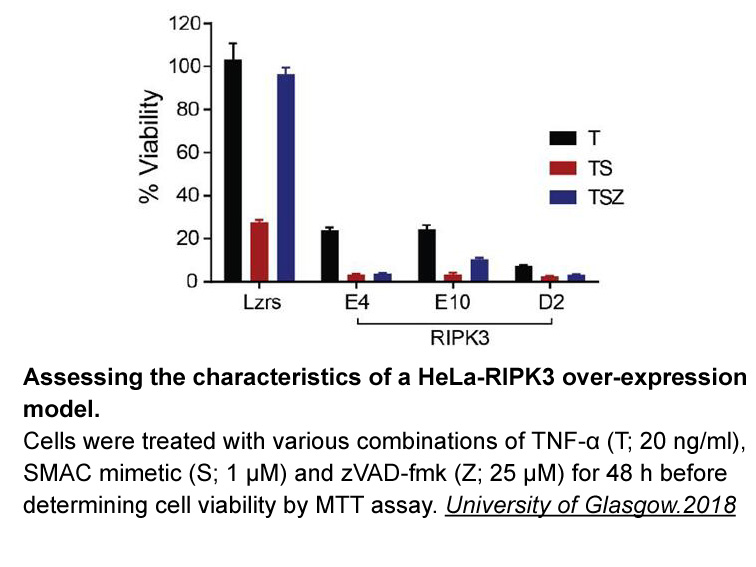
The ability to metastasize is the defining character of a cancer and the leading cause for resultant mortality. It is hypothesized that a rare subset of cancer cells, often operationally referred to as “cancer stem cells” (CSCs), are responsible for sustaining cancer metastasis and recurrence [1]. T
16120 records 591/1075 page Previous Next First page 上5页 591592593594595 下5页 Last page