Archives
- 2026-06
- 2026-05
- 2026-04
- 2026-03
- 2026-02
- 2026-01
- 2025-12
- 2025-11
- 2025-10
- 2025-09
- 2025-03
- 2025-02
- 2025-01
- 2024-12
- 2024-11
- 2024-10
- 2024-09
- 2024-08
- 2024-07
- 2024-06
- 2024-05
- 2024-04
- 2024-03
- 2024-02
- 2024-01
- 2023-12
- 2023-11
- 2023-10
- 2023-09
- 2023-08
- 2023-06
- 2023-05
- 2023-04
- 2023-03
- 2023-02
- 2023-01
- 2022-12
- 2022-11
- 2022-10
- 2022-09
- 2022-08
- 2022-07
- 2022-06
- 2022-05
- 2022-04
- 2022-03
- 2022-02
- 2022-01
- 2021-12
- 2021-11
- 2021-10
- 2021-09
- 2021-08
- 2021-07
- 2021-06
- 2021-05
- 2021-04
- 2021-03
- 2021-02
- 2021-01
- 2020-12
- 2020-11
- 2020-10
- 2020-09
- 2020-08
- 2020-07
- 2020-06
- 2020-05
- 2020-04
- 2020-03
- 2020-02
- 2020-01
- 2019-12
- 2019-11
- 2019-10
- 2019-09
- 2019-08
- 2019-07
- 2019-06
- 2019-05
- 2019-04
- 2018-11
- 2018-10
- 2018-07
-
br Conflict of interests br Introduction Ubiquitylation is a
2021-05-13

Conflict of interests Introduction Ubiquitylation is a post-translational modification which impacts almost every biological process in the cell. Dysregulation of the ubiquitylation pathway is associated with several diseases, including cancer, neurodegenerative disorders, and immunological dy
-
The relatively less well studied encodes the E type SUMO
2021-05-13

The relatively less well-studied encodes the E2 type SUMO-conjugating enzyme. In plants, the SCE family members play roles in abiotic stress responses. An E2 enzyme, SaSce9, from plays roles in salinity and drought stress responses (). Furthermore, SCE can respond to heat stress in rice (). Howeve
-
During these processes meiotic recombination plays a critica
2021-05-13

During these processes, meiotic recombination plays a critical role by physically associating homologs and ensures accurate chromosome segregation. In addition, meiotic recombination redistributes genetic material between homologs, resulting in haplotype diversity among progeny, impacting ecological
-
In summary these results are
2021-05-13
In summary, these results are consistent with our hypothesis that chemical nitrosation of BMAA to N-BMAA results in the formation of an alkylating agent. Furthermore, we have shown that N-BMAA is more toxic than BMAA itself. Previously, methylazoxymethanol (MAM), which is also present in the cycad n
-
Considering the divergence of multiple DGAT isoforms
2021-05-13
Considering the divergence of multiple DGAT isoforms, we examined whether MiDGAT1 and MiDGAT2s utilized different fatty acids as the substrate to synthesize TAGs. GC-MS analysis indicated that C16:0 and C18:0 were the major components of TAGs in yeast cells, and all three MiDGATs displayed the same
-
In S hexyl GSH non treated guinea
2021-05-13
In S-hexyl GSH non-treated guinea pigs, antigen-induced anaphylactic response was suppressed by montelukast, but not by BayCysLT2RA, indicating that this asthmatic response was basically CysLT1-receptor-dependent. On the other hand, the suppressive effect of montelukast was weakened by treatment wit
-
Regarding the effects of CRF on anxiety Sahuque
2021-05-13
Regarding the effects of CRF on anxiety, Sahuque et al. (2006) have demonstrated that this neuropeptide also enhances anxiety when injected into the bed nucleus of the stria terminalis (BNST), a amprolium receptor structure that has also been related to defensive behavior (Casada and Dafny, 1991, Ch
-
G-1 br Acknowledgements br Introduction L Rhamnosidases EC a
2021-05-13

Acknowledgements Introduction α-L-Rhamnosidases (EC 3.2.1.40) are glycosyl hydrolases (GHs) that cleave terminal α-l-rhamnose from a large number of natural products [1]. The action of α-L-rhamnosidases (α-RHAs) has been reported, among others, on different complex substrates such as heteropol
-
In the horse oviduct the EP receptor
2021-05-13
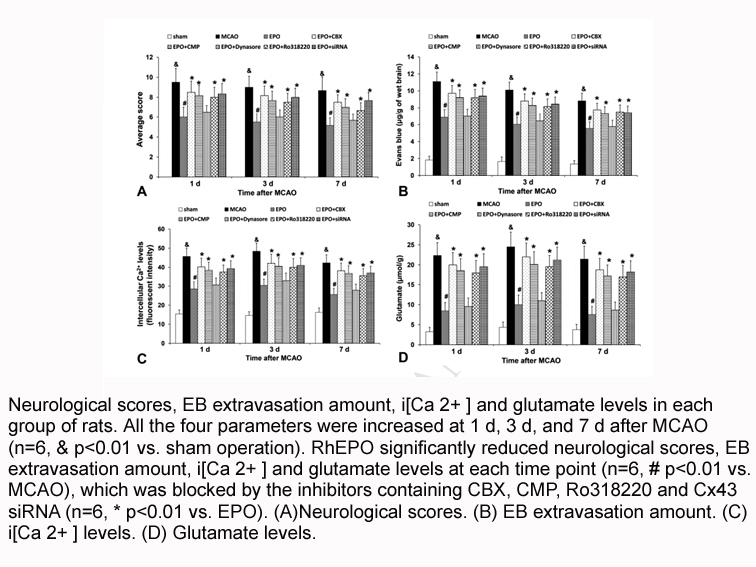
In the horse oviduct, the EP2 receptor was most strongly expressed in epithelial CTX0294885 particularly in nonciliated (secretory) epithelial cells as evidenced by IHC. Furthermore, relative amount of EP2 mRNA was greater in the ampulla than in the isthmus, although this likely reflects difference
-
Diphenyleneiodonium chloride receptor Recently Zhao et al ha
2021-05-12
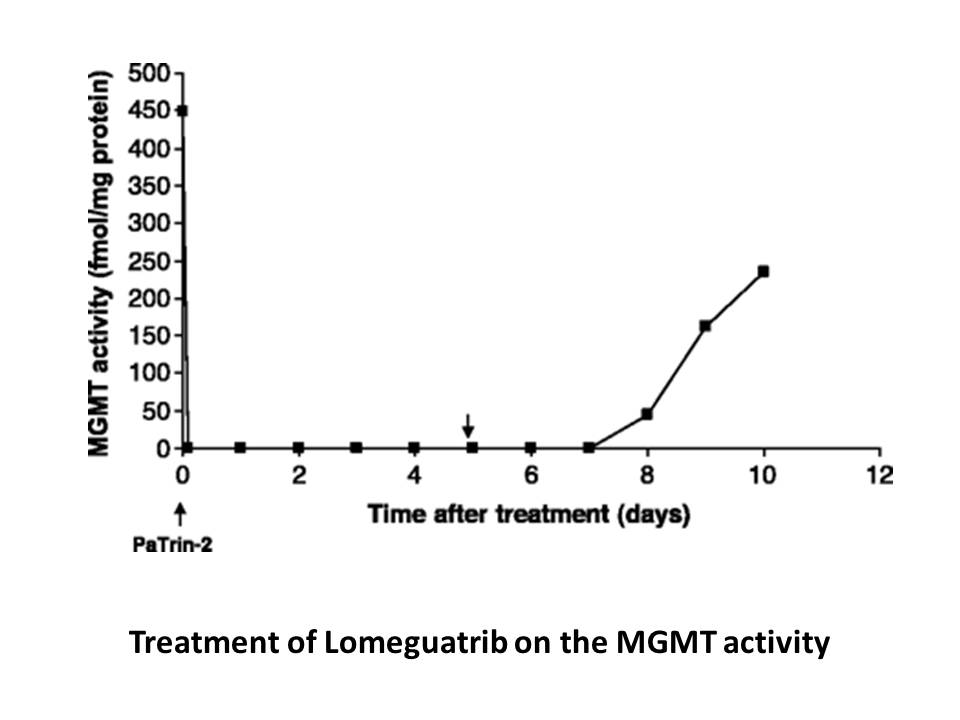
Recently, Zhao et al. have been carried out a study to investigate the relationship between eNOS-4b/a polymorphism and the risk of LCPD in a Chinese population. Their results demonstrated that eNOS polymorphisms may be involved in the etiology of LCPD. However, the number of studies conducted to exa
-
the following site br Introduction The Epstein Barr virus
2021-05-12
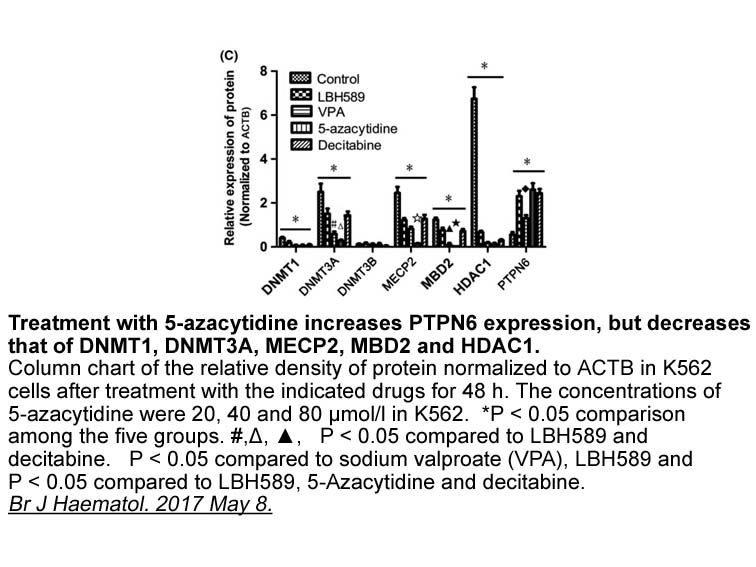
Introduction The Epstein–Barr virus induced gene 2 (EBI2 also known as GPR183) is a G protein-coupled seven-transmembrane (7TM) receptor that is predominantly expressed in B and T cells [1,2]. It regulates the trafficking of the following site within lymphoid tissues and is highly important for
-
br Coactivator Binding Sets APC C Catalytic
2021-05-12
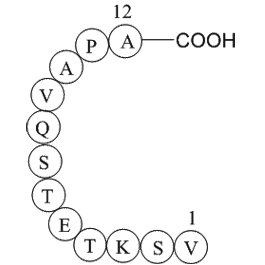
Coactivator Binding Sets APC/C Catalytic Core in Motion A coactivator not only recruits substrates to APC/C [18] (Figure 3B), but also stimulates repositioning of the catalytic core 19, 24. High-resolution cryo-EM maps of apo forms of APC/C without a coactivator show the catalytic core and platfo
-
Chlortetracycline HCl br Materials and methods br Results br
2021-05-12
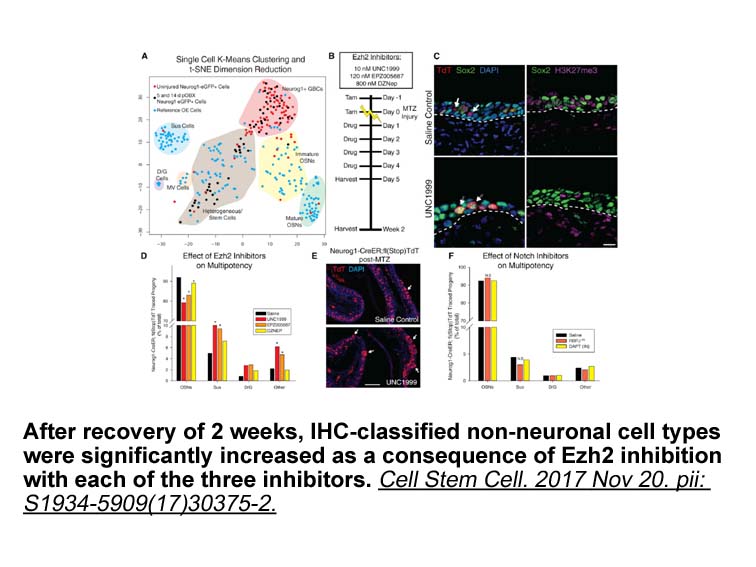
Materials and methods Results Discussion Natural compounds and their derivatives have been investigated as candidates for the treatment of bone diseases and can also be the sources of nutraceutical agents and therapeutic agents [28]. Using peptides as therapeutic effects on bone-related dis
-
Introduction Determining how genes function together as biol
2021-05-12
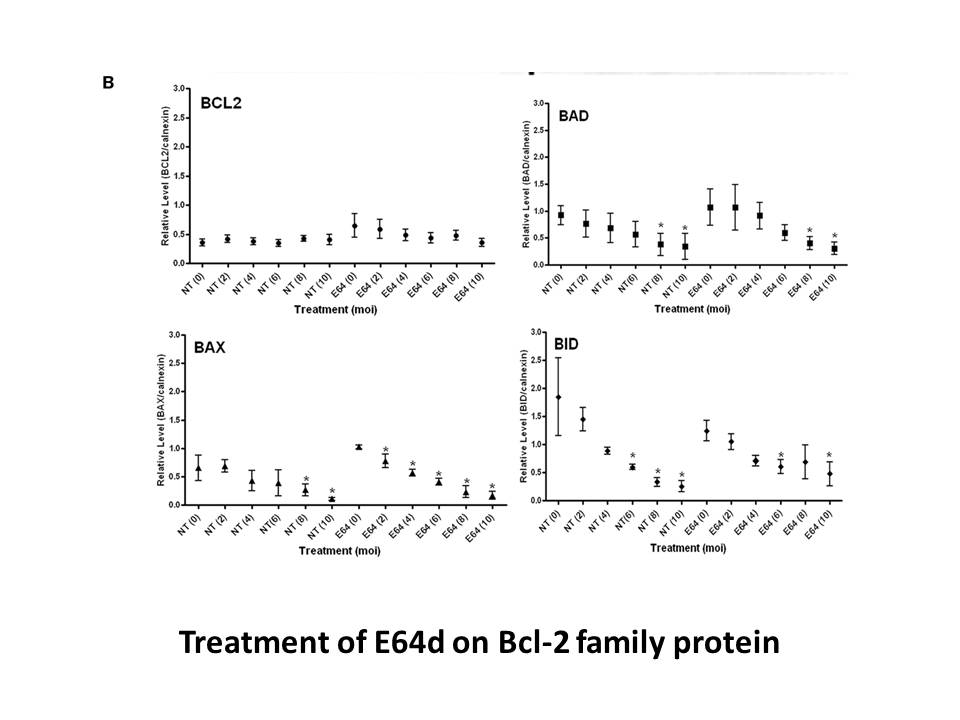
Introduction Determining how genes function together as biological systems is a defining challenge of the genomic era. While genome sequences reveal the DNA blueprint of organisms, deciphering how this blueprint leads to biological function is challenging due in large part to the complexity of prot
-
Primases are classified into two major groups first the DnaG
2021-05-12
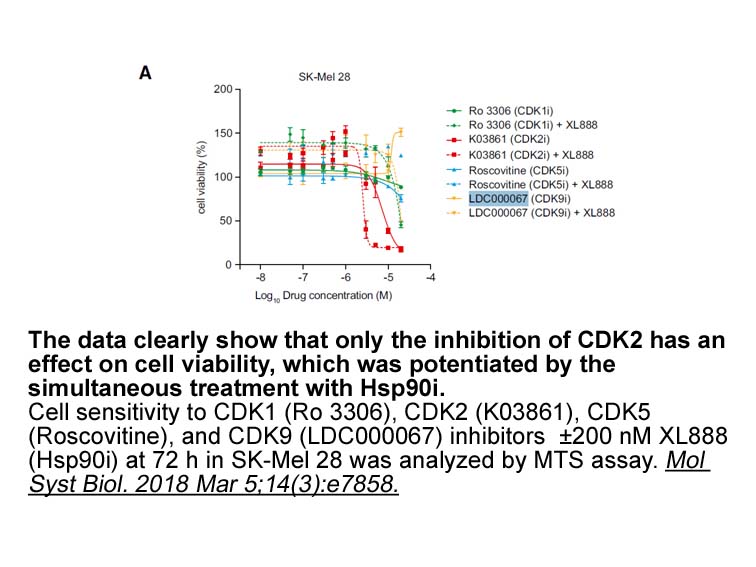
Primases are classified into two major groups: first, the DnaG primases, found in bacteria and bacteriophages, and second, the archaeoeukaryotic primases. Remarkably, bacterial and archaeoeukaryotic primases have no structural similarity and, presumably, evolved independently (Leipe et al., 1999). T
16119 records 654/1075 page Previous Next First page 上5页 651652653654655 下5页 Last page